

How to use wool pellets?
How to use wool pellets?
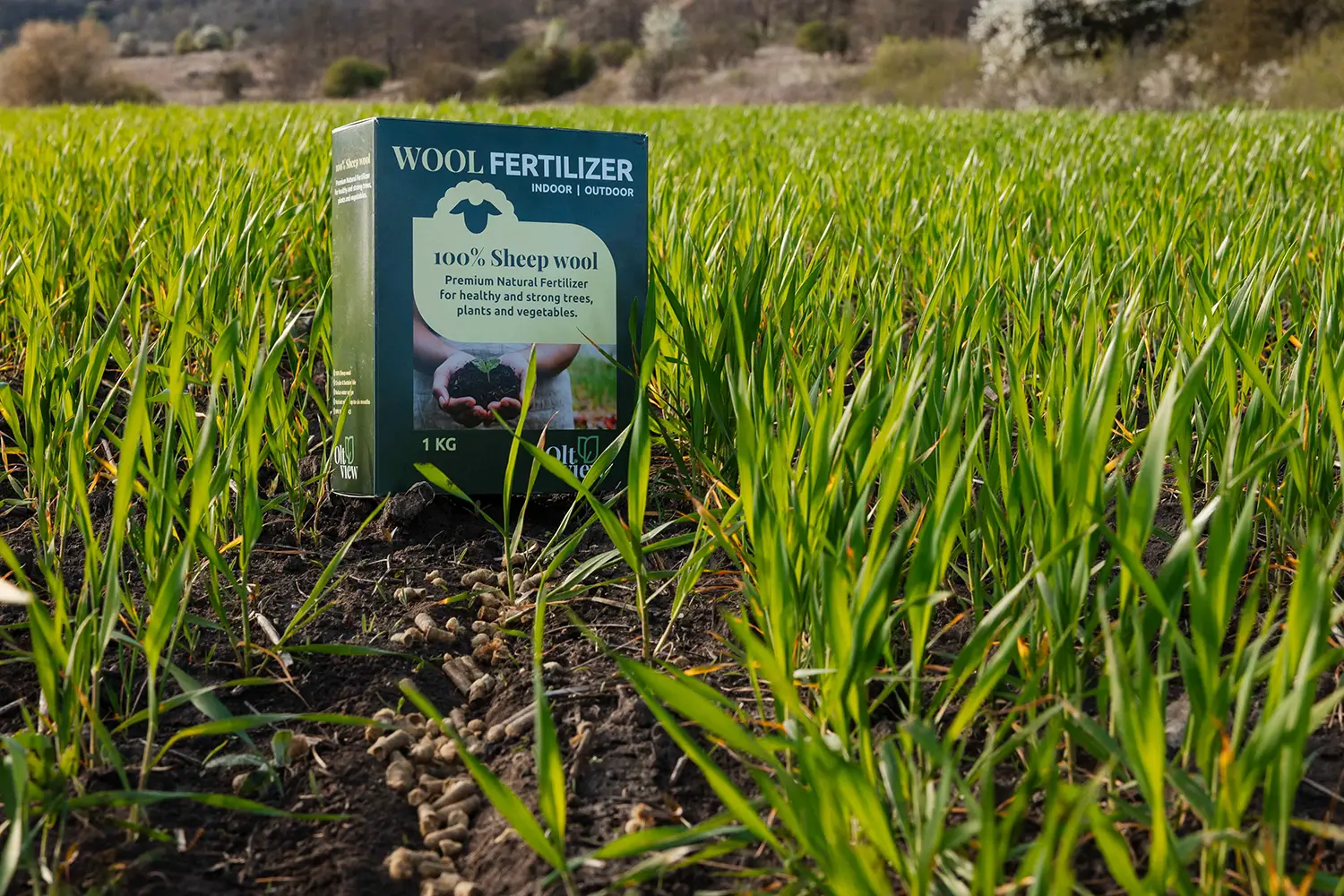
The wool pellets work best when mixed with the soil, approximately 4 to 5 cm deep in the ground. When planting new plants, the pellets are mixed into the soil or sprinkled in the planting hole. When fertilizing a larger area such as a vegetable garden, the soil must first be loosened and the wool pellets are sprinkled over the soil. The wool pellets are then raked through the soil. After this, planting or sowing can take place and water generously.
The wool pellets work best when mixed with the soil, approximately 4 to 5 cm deep in the ground. When planting new plants, the pellets are mixed into the soil or sprinkled in the planting hole. When fertilizing a larger area such as a vegetable garden, the soil must first be loosened and the wool pellets are sprinkled over the soil. The wool pellets are then raked through the soil. After this, planting or sowing can take place and water generously.
Want to know more about using the wool pellets for your specific plants? Contact us!
“It is a small step that can make a big difference for our planet and our plants.”
Area of application
A unique fertilizer that can be used both indoors and outdoors. A pellet of 100% sheep wool makes this fertilizer unique and safe for indoor use.
Application period
This fertilizer can be used all year round, for outdoor use we advise using the pellets at the beginning of the growing season. One fertilization per season is sufficient.

Use in soil
Tip! See the packaging for dosage recommendations.

Use with pots
Tip! See the packaging for dosage recommendations.
Dosing table
| Plants/vegetables | Dosage gr/m² |
|---|---|
| Beans, beets, herbs, salad | 60 gr/m² |
| Onions, carrots, spinach, strawberries, raspberries, melon, fruit trees | 100 gr/m² |
| Cauliflower, tomatoes, paprika, cucumber, zucchini, eggplant, pumpkin, potatoes | 170 gr/m² |
| Rose bushes | 60-100 gr/m² |
| Potted plants (indoor and outdoor) | 20 gr/kg potting soil |
Schapenwol meststof
De milieuvriendelijke en effectieve meststof voor uw tuin!
100% schapenwol | Vochtvasthoudend vermogen | Directe en langdurige werking
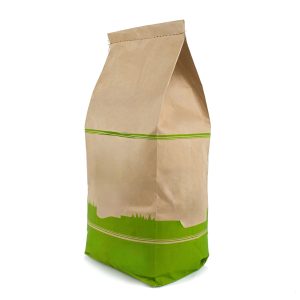
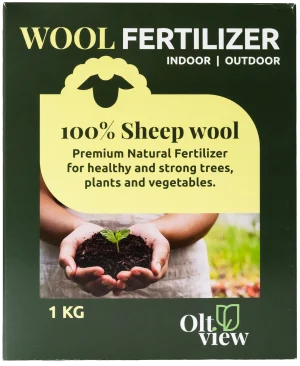
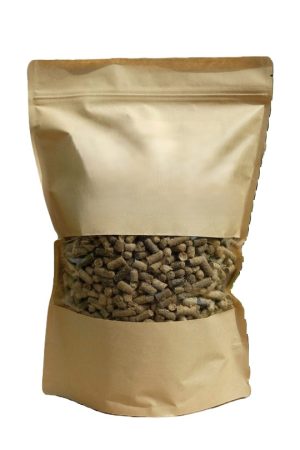
“It’s a small step that can make a big difference for our planet and our plants.”
FAQ
Is a wool pellet made of 100% wool?
Our wool pellet consists of 100% wool, without added substances. A valuable and natural product that is completely organic. The wool may contain traces of manure, grass, twigs and skin/wool fat, which are also completely organic. A bonus from nature.
Where does your wool come from?
Our wool comes from the local sheep herds in the Transylvanian mountains in Romania. The herds are often found deep in the mountains and hills and so is the wool. By collecting the wool in these areas, we contribute to the local shepherds.
Why use wool as fertilizer and not as clothing?
Wool is known for its use in clothing, among other things. However, not all wool is suitable for this end purpose, which is also called second-choice wool. This wool is mainly burned as waste, or dumped in the forests. And this is precisely the wool that we lovingly convert into high-quality plant food. Zero-waste!
What is the nutritional value of the wool pellet?
Our wool pellets are analyzed several times in a certified laboratory. Wool has a wide range of nutritional values, mainly nitrogen, potassium, sulfur, zinc and magnesium. A NPK value of 10.8% nitrogen, 0.2% phosphorus and 4.5% potassium.
Why doesn't every pellet look the same?
Our wool comes from different herds with mixed sheep breeds. Including white wool and dark wool. Some of our shepherds use specials blocks with chalk, because of that colored trace elements occasionally return to the pellets. The nutritional values of white and dark wool or different values are almost the same.